
Close sunlit window coverings before the room warms up. Open windows when outdoor air is cooler than indoor air. Understanding how to cool a room starts with controlling when heat enters and when it can escape. Fans can improve comfort while you make those changes. A few adjustments to your daily routine also help prevent afternoon heat from building up.
Why your room gets hot
Sunlight passing through glass warms floors, furniture, and other surfaces. Those surfaces release heat into the room, sometimes well after sunset.
A room can stay hot because several heat sources are working together. Afternoon sun, cooking appliances, electronics, and heat entering through the roof can outweigh the cooling available from an open window.
Upper floors often feel warmer because warm air rises and the rooms sit closer to the roof. A closed door can also interrupt airflow, leaving a room stuffy even when the hallway feels comfortable.
Check when the discomfort starts. A sharp afternoon increase suggests solar heat gain, while warmth that persists overnight may point to stored heat and limited ventilation. Comparing rooms at the same time helps you identify where to focus your efforts.
How to cool down a room fast
Start by comparing the indoor and outdoor temperatures. Opening every window can make conditions worse when the air outside is warmer.
The practical answer to how to cool down a room fast depends on that temperature difference. Follow this sequence:
- Close curtains or shades on windows receiving direct sunlight.
- Switch off unnecessary lights, computers, and other heat-producing equipment.
- Open windows on different sides of the home if outdoor air is cooler and air quality is acceptable.
- Position a securely mounted window fan to exhaust indoor air, with another opening providing replacement air.
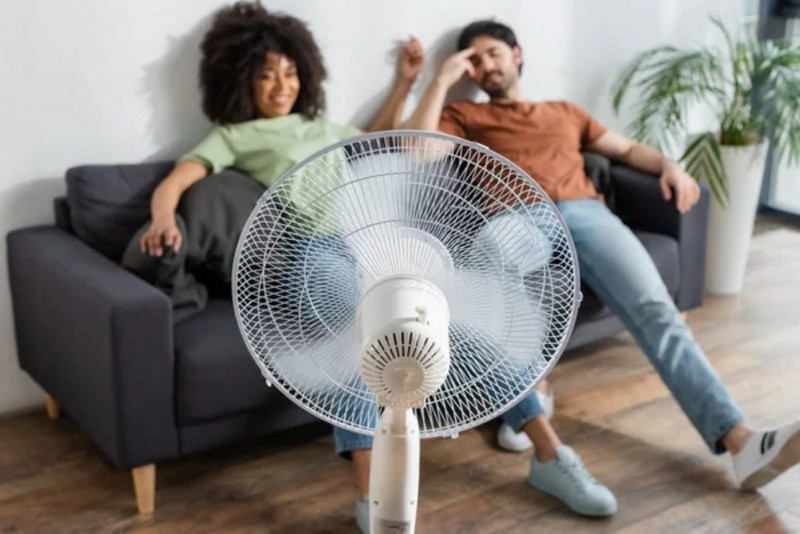
- Use a separate circulating fan near where you sit for immediate comfort.
Keep the airflow path clear of closed doors and heavy curtains. Recheck the temperature after conditions have had time to change.
Walls and furniture cool more slowly than the air around them. You may feel relief before the thermometer shows much improvement, so avoid expecting a fixed temperature drop within a few minutes.
Best ways to cool a room without AC
Different rooms need different combinations of shade, ventilation, and reduced heat production. Start with the problem you identified, then add another measure if needed.
The best ways to cool a room are usually inexpensive habits supported by suitable window coverings and sensible fan placement. These methods work together, but their effectiveness depends on the weather and your home’s construction.
Block direct sunlight before it reaches the room
Close coverings before sunlight falls across the floor or furniture. East-facing windows need attention in the morning, while west-facing windows often need protection later in the day.
Choose coverings designed to limit solar heat gain. Exterior shades and awnings intercept sunlight before it reaches the glass, making them useful for exposed windows. Their coverage should suit the sun’s angle and the window’s orientation.
For an immediate improvement, use the blinds or curtains you already own consistently. Check for uncovered areas around the edges. A narrow curtain that leaves much of the glass exposed will provide uneven shade.
Create a clear route for cooler air
Cross ventilation needs an entrance and an exit. Open suitable windows on different sides of the home and leave connecting interior doors open while ventilating.
For anyone wondering how to cool off a room without AC, the timing of this airflow matters more than opening windows as widely as possible. Use cooler evening or early morning air, then close windows when the outdoor temperature rises.
A fan blowing outward can help remove warmer indoor air while cooler air enters elsewhere. Avoid opening only the window beside the exhaust fan, which can shorten the airflow path and leave distant rooms untouched.
Keep security and child safety in mind. Screens exclude insects but do not prevent falls, and an unattended open window may be unsuitable overnight.
Use fans where people spend time
Aim a portable fan toward your seating area, with enough clearance for unobstructed airflow. For a ceiling fan, select the setting that pushes air downward during summer; check the manufacturer’s instructions.
Circulating fans help people feel cooler through air movement. They do not refrigerate the room, so switching them off in an empty space avoids unnecessary electricity use.
Fans also have limits during extreme heat. Use them only when indoor temperatures are below 90°F; seek an air-conditioned location if your home becomes dangerously warm.
Reduce heat from cooking and electronics
An oven can keep adding heat long after dinner is ready. Choose meals that require less cooking, or use a microwave instead of heating a full oven.
Turn off a desktop computer or gaming console when you finish using it. Move unnecessary equipment out of the room where you are trying to rest.
Use a kitchen exhaust hood that vents outdoors while cooking. A recirculating hood filters air but does not carry cooking heat outside. Bathroom exhaust fans can likewise remove moisture during showers; avoid leaving them running indefinitely without a reason.
Make your sleeping space more comfortable
Replace a heavy comforter with lighter bedding and remove layers you do not need. Choose sheets that feel breathable against your skin.
In the bedroom, position a fan so its airflow reaches the bed without blowing loose curtains into the blades. Keep cords away from walking routes.
If another room stays cooler overnight, consider sleeping there during a warm spell. Changing rooms can provide more immediate relief than repeatedly adjusting a fan in a space that retains afternoon heat.
Avoid adding unnecessary moisture
Hanging wet sheets indoors or placing bowls of water around the room can increase humidity. In already humid conditions, that can make the space feel less comfortable.
A dehumidifier may help with dampness, but it releases heat into the room as it operates. Treat it as a moisture-control appliance rather than a substitute for cooling.
Evaporative coolers suit dry conditions better than humid ones. Before buying another appliance, check whether your main problem is temperature, moisture, or insufficient air movement.

How to keep a room cool without AC all summer
A repeatable daily routine prevents some of the heat you would otherwise need to remove later. Adjust it to actual outdoor conditions rather than relying on the clock alone.
The answer to how to keep room cool without AC in summer is to combine early shading with ventilation during cooler periods. Waiting until late afternoon means the room’s surfaces may already have absorbed hours of sunlight.
Use this seasonal checklist:
- Close coverings before direct sun reaches the glass.
- Check outdoor temperature and air quality before opening windows.
- Keep fan blades and insect screens clean.
- Inspect window seals and replace damaged weatherstripping.
- Schedule longer cooking sessions for cooler periods.
- Keep furniture clear of windows used for ventilation.
Place an indoor thermometer away from direct sunlight and appliances. Otherwise, its reading may reflect a nearby heat source rather than the room as a whole.
Keep a short record of afternoon and bedtime temperatures for several days. Note whether the coverings were closed and when you ventilated. This helps you identify useful changes without buying equipment based on guesswork.
How to make your whole house cooler
Start with the spaces that receive the most sun and the rooms you use most often. Reducing heat in an unused upstairs room will not necessarily improve your main living area.
Planning how to make your house cooler means looking at airflow between rooms as well as individual windows. When outdoor conditions are suitable, create a route from a cooler intake opening toward an exhaust opening elsewhere.
During the warmer part of the day, isolate a strongly sunlit unused room if doing so helps protect adjacent spaces. Reopen its door when you need that route for evening ventilation.
Move activities downstairs when the lower level is noticeably more comfortable. Use the coolest available room for afternoon work or relaxation.
A whole-house fan can help where evenings cool sufficiently, but it requires professional assessment. Correct sizing, attic exhaust capacity, and combustion appliance safety all need attention before installation.
How windows affect indoor temperatures
Windows influence comfort through sunlight, heat transfer, and air leakage. Solving only 1 of these problems may leave the others unchanged.
Sunlight can pass through intact glass even when the frame is tightly sealed. Weatherstripping helps with unwanted airflow, but it does not stop solar heat gain.
When comparing replacement windows, review the whole-window performance ratings:
- Solar heat gain coefficient, or SHGC, indicates how much solar heat enters through the window. A lower value limits more of that heat.
- U-factor describes heat transfer through the window assembly. A lower value indicates better insulation.
- Visible transmittance describes how much visible light passes through the window.
Choose ratings for your climate and the exposure of each room. In the Pacific Northwest, summer comfort needs to be balanced with winter performance and daylight. The lowest SHGC available is not automatically the best choice for every window.
Low-E coatings can improve performance, but different coatings serve different purposes. Ask for the ratings of the specific glass package being quoted, rather than relying on the term “energy efficient” alone.
Installation matters too. A suitable window needs a properly sealed perimeter, reliable operation, and drainage details that remain unobstructed.

Long-term ways to keep your home cooler
If the same room overheats every summer, identify the recurring cause before choosing a renovation. An energy assessment can help distinguish roof and insulation problems from excessive solar gain or air leakage.
Understanding how to make a room colder over the long term means reducing the heat entering it and providing a suitable way to remove accumulated warmth. Window upgrades may be part of that plan, alongside attic insulation, air sealing, and exterior shading.
Prioritize improvements according to the condition of the home. Repairing a poorly closing window may be enough when the frame and glass remain serviceable. Replacement deserves consideration when deterioration, persistent leakage, or unsuitable glazing limits performance.
If you later install an aircon, reducing the home’s heat gain still helps. Insulation and shading reduce the cooling load the equipment must handle.
Columbia Windows manufactures custom windows in Vancouver, WA, and provides window replacement and installation. Request a free estimate to discuss your existing windows, the rooms that overheat, and suitable replacement options.
Bring notes about window orientation and when discomfort starts. Those details make the conversation more useful than choosing a window by appearance alone.


