Homeowners looking to avoid a costly full replacement often ask: can you paint a metal roof when panels become faded, chalky, or rusty? Yes, you can. Steel and aluminum endure decades of harsh weather and solar radiation that eventually destroy their original factory finish. Applying a specialized liquid coating creates a renewed barrier against moisture and UV light, protecting your long-term investment.
However, this restoration requires careful surface preparation and industrial formulas engineered for extreme thermal expansion. Standard residential house paint cannot handle this environmental stress and will rapidly peel, wasting your money and exposing bare steel. By choosing the correct materials and application methods, you can successfully restore your roof’s appearance and dramatically extend its lifespan.
Benefits of painting a metal roof
Upgrading your exterior panels provides significant structural, environmental, and financial advantages. A properly executed metal roof painting project seals microscopic vulnerabilities before they develop into active, damaging leaks. Water easily penetrates bare steel once the factory finish wears away. New liquid coatings encapsulate the entire surface, starving early oxidation of the oxygen it needs to spread and destroying rust before it compromises the panel structure.
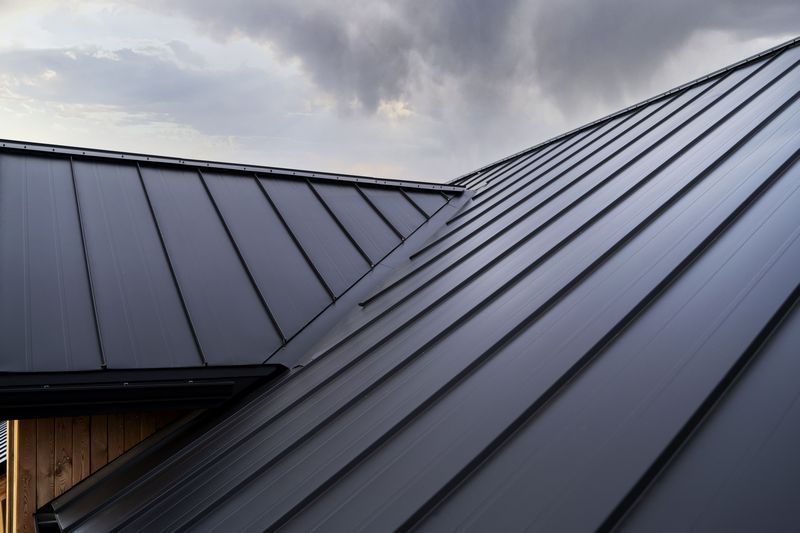
Beyond immediate rust prevention, modern liquid products heavily impact your monthly utility bills. Advanced commercial formulations contain reflective ceramic pigments that bounce solar heat away from your attic space. This thermal reflection keeps your indoor living areas significantly cooler during peak summer months. Your air conditioning system runs less frequently, saving you substantial money on energy costs over the lifespan of the coating.
Complete coating application:
- Stops active corrosion and prevents future rust formation on exposed steel edges.
- Lowers interior cooling costs by reflecting harsh ultraviolet solar rays.
- Updates the aesthetic curb appeal of your property to match modern architectural color trends.
- Adds ten to fifteen years of functional weatherproofing to the existing structure.
- Reduces environmental waste by keeping massive amounts of old steel out of local landfills.
- Costs significantly less than removing and replacing the entire panel system.
This upgrade protects your largest financial asset while noticeably improving daily indoor comfort. The key to unlocking these benefits lies in selecting the correct chemical products and applying them following strict industry standards.
Signs it’s time to paint or restore your metal roof
Exterior cladding visually communicates its condition, allowing you to act proactively and save money before interior leaks occur. If you are planning a repainting metal roof project, you must address these visual symptoms of coating failure immediately:
- Heavy surface chalking: Ultraviolet light breaks down the original finish’s chemical binders, leaving a white powdery residue. Pulling away white dust after wiping the panels confirms the protective layer is actively failing.
- Severe blotchy fading and rust: Fading indicates the raw metal is nearing direct exposure. Once the underlying steel contacts moisture, orange or brown rust spots form around edges and fasteners. Ignoring localized rust pits allows oxidation to eat completely through the panel, forcing an expensive structural tear-off.
- Increased indoor temperatures: If your upstairs bedrooms feel unusually hot during the summer, your current finish has likely lost its crucial reflective properties.
Restoring the surface with a modern coating solves these aesthetic, structural, and functional temperature problems simultaneously.
Best types of paint and coatings for metal roofs
Standard exterior paint fails on steel and aluminum panels. Metal expands rapidly in the afternoon sun and contracts during freezing nights, causing rigid acrylics to crack and flake within a single season. Your painting metal roof project requires specialized formulas engineered for extreme flexibility and rust prevention:
- Acrylic Latex: The most accessible residential option. These water-based formulas offer easy cleanup, protect against rapid thermal expansion, and dry to a durable, breathable finish that resists dirt and moss growth.
- Silicone Modified Polyester: Designed for demanding environments, these solvent-based products outlast standard acrylics. They deliver superior gloss retention and create a hard outer shell that repels heavy rain and resists scratching from tree branches.
- Fluoropolymer (PVDF) Coatings: The highest tier of exterior protection. These industrial-grade formulas use highly resilient compounds to offer unparalleled long-term resistance to intense ultraviolet light, chemical degradation, and airborne pollutants.
Choosing the appropriate product depends heavily on your specific regional climate, total budget, and long-term property performance expectations.
How to paint a metal roof
Detailed preparation dictates the ultimate success of any exterior coating project. Rushing through the preliminary cleaning stages guarantees rapid adhesion failure and severe peeling. You must create a perfectly clean, structurally stable substrate for the new liquid chemicals to bond with permanently. Following a strict sequence ensures a professional grade result that withstands decades of severe weather exposure.
Understanding how to paint metal roof surfaces requires careful attention to detail and utilizing specific fall safety equipment. Working on inclined, slippery exterior surfaces presents significant physical dangers.
Step 1: Surface inspection and mechanical repair
Begin by walking the entire structure carefully to identify loose fasteners, missing butyl sealant, or deep physical gouges. Tighten any backed out screws using a drill to ensure the panels sit tightly against the wooden roof decking. Replace missing or cracked rubber washers immediately to prevent future rainwater intrusion. You must completely seal all gaps around plumbing vents, skylights, and brick chimneys with specialized exterior polyurethane caulking before opening any liquid paint cans.
Step 2: Thorough cleaning and power washing
Before applying any primer or liquid coating, the entire surface must be completely free of environmental dirt, loose rust, chalking, and previous flaking paint. A high-pressure wash using a commercial machine is highly recommended to strip away these stubbornly attached contaminants. When examining the bare surface after an intense power wash, property owners frequently ask: can metal roofs be painted successfully without removing every trace of deep surface rust? Yes, they can, but only if you follow the wash with a specialized degreasing agent like tri-sodium phosphate (TSP) to eliminate the microscopic oily residues that prevent proper chemical adhesion. Ensure you thoroughly rinse the entire structure with pure water to wash away these chemical solvents, and then allow the metal panels to dry completely in the sun before moving on to the restoration phase.
Step 3: Treating rust and applying primer
You cannot simply paint directly over active red oxidation. Scrub small rust spots aggressively with a stiff wire brush or an abrasive sanding sponge to remove flaking material. Apply a dedicated liquid rust inhibitor to chemically neutralize the oxidation process at a microscopic level. Once the inhibitor cures, you must coat the entire surface with a rust inhibitive metal primer. The primer creates a vital chemical bridge between the bare steel substrate and your final colored topcoat.
Step 4: Applying the topcoat
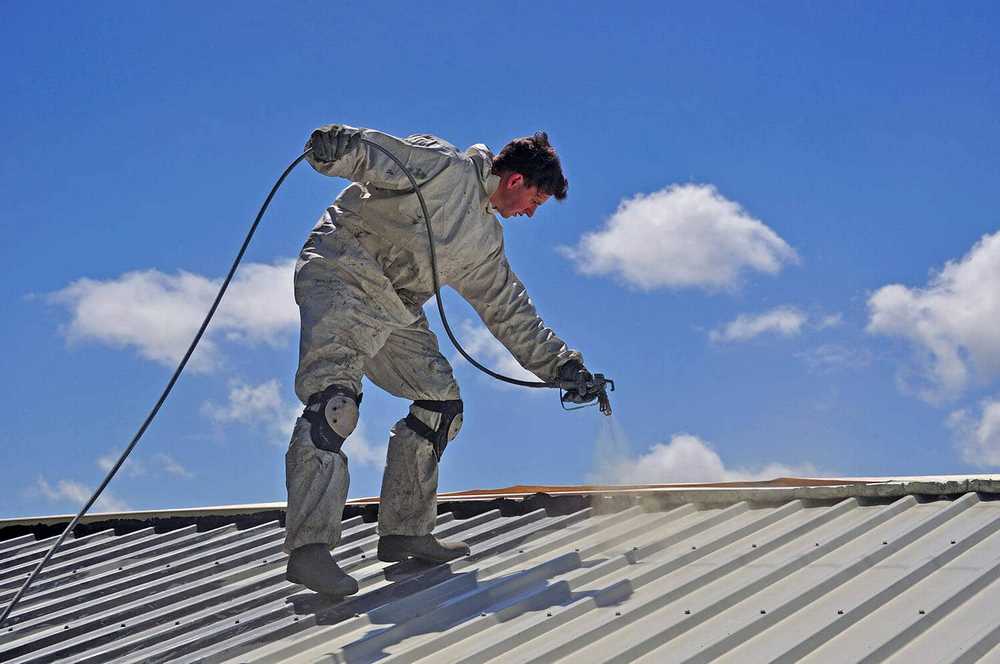
After the primer cures fully according to the exact manufacturer specifications, you can confidently apply the color layer. Use a commercial airless sprayer to achieve a flawless factory smooth finish without leaving visible roller lap marks.
Follow these specific application guidelines for optimal results:
- Check the local weather forecast to ensure three consecutive days of dry conditions without freezing overnight temperatures.
- Start at the absolute highest peak of the structure and work systematically downward to avoid stepping on freshly wet sections.
- Apply the first coat evenly, maintaining a continuous wet edge to prevent ugly overlapping lap marks from forming.
- Allow the first liquid pass to dry completely until it is no longer tacky to the touch.
- Apply a second uniform coat in a cross hatch pattern to achieve the required total film thickness for maximum environmental durability.
Executing a painting a metal roof project meticulously guarantees a beautiful, highly weatherproof exterior shield. Skipping any of these fundamental preparation steps compromises the entire coating system.
Professional metal roof restoration vs. DIY
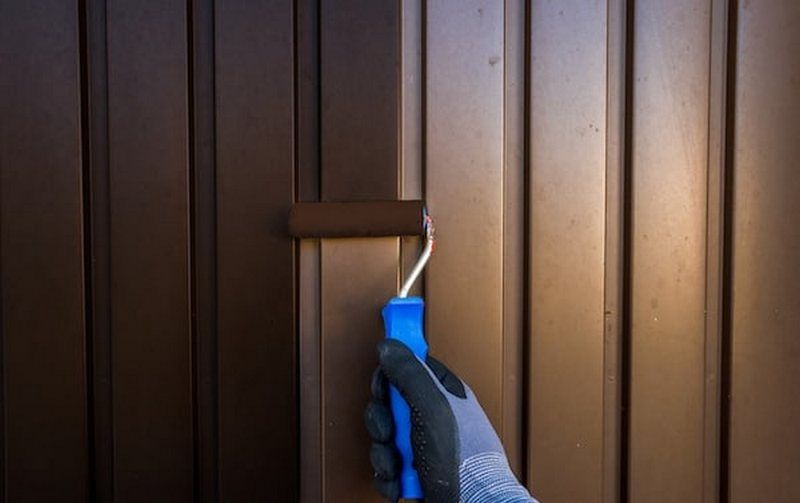
Homeowners often debate DIY metal roof restoration versus hiring contractors. The project demands serious manual labor and fall-protection expertise — walking on pitched, slippery steel coated in cleaning solution or wet paint creates real fall risk.
Professional crews use industrial airless sprayers for even coating, plus OSHA-approved harnesses, roof jacks, and non-slip footwear for safety. They also understand local environmental regulations and how coatings react to regional climate. Most importantly, professional work comes with warranties — if the coating fails, the contractor covers the fix. DIY work usually voids manufacturer warranties, leaving you liable for any damage.
Advantages of Hiring Professionals
- Proper safety gear (harnesses, roof jacks, non-slip footwear) significantly reduces fall risk
- Industrial sprayers produce more even, longer-lasting coating than manual rollers
- Knowledge of local regulations and how formulas perform in regional climate conditions
- Workmanship and material warranties — contractor absorbs cost if coating fails
Disadvantages of DIY
- High danger of falls, especially on wet/slippery metal panels
- No access to commercial-grade equipment or techniques
- Voids manufacturer warranty, shifting all risk and cost to the homeowner
- No recourse or remediation coverage if the coating fails prematurely
Maintenance after painting
Completing the liquid application is only the first part of protecting your home exterior. Long term performance requires a dedicated, proactive maintenance schedule. You should inspect the newly coated panels twice a year, ideally in the mild spring and late autumn seasons. Look closely for any areas where heavy tree branches might have scratched through the protective layer during severe windstorms. Touch up deep physical scratches immediately with a matching brush on formula to prevent localized rust from taking hold.
Washing the structure annually removes corrosive airborne pollutants and highly acidic bird droppings that eat away at the chemical binders over time. Use a low pressure garden hose and a mild automotive detergent. Never use a high pressure washer on a newly applied liquid system, as the extreme force can lift the sealed edges of the coating. Keeping the surface perfectly clean allows the reflective cooling properties to function at peak efficiency. When evaluating whether can you paint metal roofing successfully, always remember that consistent post application care determines the ultimate financial lifespan of the renovation project.