Replacing exterior components impacts your daily comfort and long-term property value. In the Pacific Northwest, heavy rain, wind, and freezing winters constantly test building envelopes. Choosing the wrong framing material leads to heat loss, drafts, and moisture damage inside wall cavities.
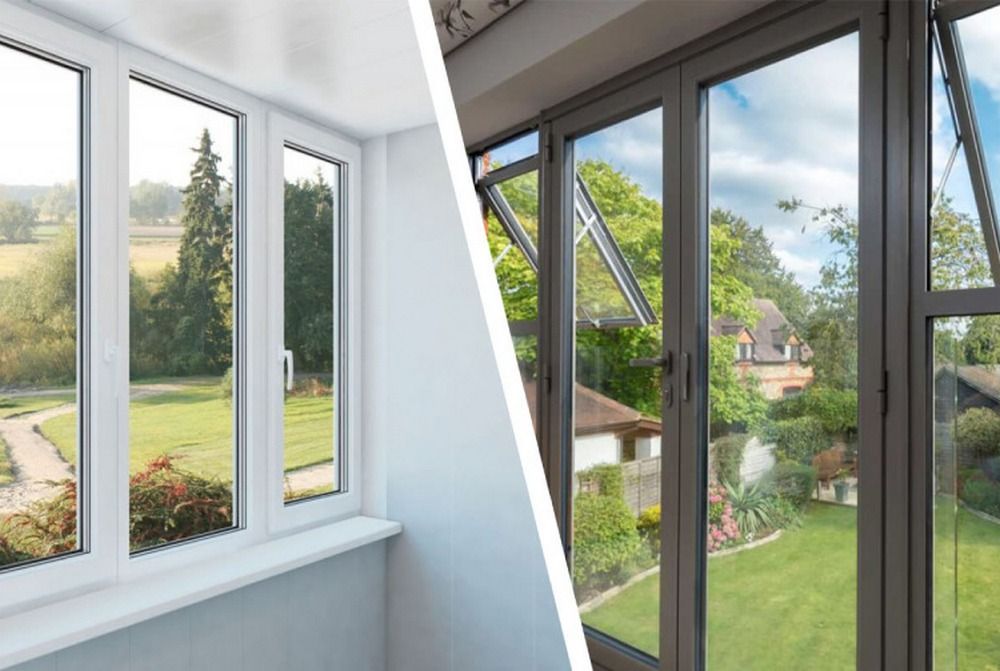
When planning a renovation, homeowners frequently compare aluminum vs vinyl windows to find the best return on investment. While both materials dominate the regional market, they perform differently under environmental stress and offer unique architectural benefits.
This guide explores the structural mechanics, insulation, and aesthetics of both framing systems to help you make an informed decision. Columbia Windows provides expert local guidance for your upcoming exterior upgrade.
What are vinyl windows?
Polyvinyl chloride (PVC) serves as the base polymer for residential window frames. The manufacturing process creates a highly durable, energy-efficient product through three key stages:
- Material Formulation: PVC is blended with additives like titanium dioxide, a UV inhibitor that prevents chalking, yellowing, and brittleness from intense sun exposure.
- Extrusion: Heated PVC is forced through steel dies to build multi-chambered hollow profiles that trap dead air and create a natural thermal barrier.
- Fusion Welding: Heat welding melts the extrusion corners together under high pressure, creating seamless molecular bonds that block water leaks and cold air drafts without screws or gaskets.
The synthetic material insulates naturally against extreme heat and cold, lowering energy consumption and reducing monthly utility costs.
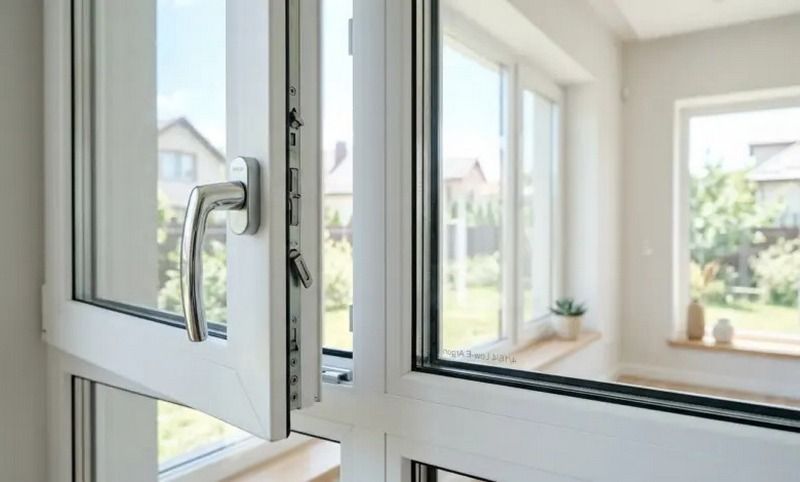
What are aluminum windows?
When evaluating custom home options, homeowners often ask, “are aluminum windows better than vinyl?”, given metal framing’s superior structural strength and sleek sightlines. Heated metal billets are pressed through industrial dies to form durable extrusions that maximize visible glass area and flood interiors with natural light.
While older metal frames caused heavy heat loss and severe interior condensation, modern engineering resolves these efficiency issues through a two-step thermal break process:
- Pouring Insulating Resin: Liquid polyurethane is poured directly into a designated structural channel within the metal profile.
- Debridging Metal: Once the polyurethane hardens into a dense plastic barrier, machinery cuts away the connecting metal bridge, completely separating the interior and exterior frames.
This structural separation stops thermal transfer, allowing modern aluminum systems to deliver minimalist aesthetics while meeting strict energy code requirements.
Key differences between vinyl and aluminum windows
The primary difference between vinyl and aluminum windows comes down to structural capacity, thermal efficiency, acoustic performance, and long term exterior maintenance. You must evaluate these specific categories carefully before finalizing your custom material order.
- Thermal Conductivity and Insulation: Metal conducts thermal energy rapidly across its surface. Even with modern polyurethane thermal breaks, metal struggles to match multi-chambered plastic extrusions. Polyvinyl chloride is an inherent natural insulator that blocks heat transfer effectively without requiring complex internal barriers, making plastic extrusions superior for home energy efficiency in cold climates.
- Structural Rigidity and Glass Support: Metal provides unmatched structural integrity. For massive floor-to-ceiling glass panels or wide sliding patio doors, metal frames carry immense glass weight without sagging. Plastic frames have structural limits; even with internal galvanized steel stiffeners, they cannot support the expansive glass spans of pure metal architectural profiles.
- Aesthetic Options and Exterior Finishes: Metal frames offer superior finishing flexibility. Industrial powder coating and anodizing processes bond colors directly to the metal at a molecular level, producing a broad spectrum of fade- and scratch-resistant dark colors. Plastic frames generally come in standard neutral colors like white or almond, leaving dark metal as the premier architectural standard for contemporary homes.
- Routine Maintenance and Upkeep: Both materials require minimal maintenance compared to organic wood. Metal frames installed near coastal saltwater environments face galvanic corrosion and pitting over time. Conversely, plastic frames resist salt spray, driving rain, and industrial pollutants. A simple annual wash with mild soap and water keeps plastic tracks looking brand new.
- Acoustic Performance and Sound Dampening: Synthetic plastic frames naturally absorb external sound waves through their multi-chambered internal design and dense composition. In contrast, metal readily reverberates and transfers sound vibrations indoors. Pairing soundproof glass with a noise-absorbing plastic frame creates an exceptionally quiet interior environment.

Pros and cons of vinyl windows
Many homeowners ultimately choose plastic frames because they offer an incredible balance of reliable performance and everyday affordability. When comparing vinyl vs aluminum windows, you will notice plastic frames dominate standard residential neighborhoods for several highly practical reasons.
Pros of polyvinyl chloride frames
- Exceptional Energy Efficiency: The hollow internal chambers and heat welded corners stop cold air drafts completely. Your heating and cooling systems operate far less frequently, resulting in substantially lower monthly utility bills throughout the year.
- Complete Moisture Resistance: The synthetic material completely ignores heavy rainfall and high atmospheric humidity. It will not rot, warp, peel, or harbor destructive biological mold growth inside your dark wall cavities.
- Cost Effective Installation: The raw materials and manufacturing processes are highly streamlined. This makes plastic extrusions significantly more affordable to produce, purchase, and install than complex thermally broken metal systems.
- Zero Painting Required: The color goes entirely through the material profile. If the frame suffers a minor physical surface scratch, the damage remains virtually invisible because the underlying material perfectly matches the exterior surface color.
Cons of polyvinyl chloride frames
- Thicker Frame Profiles: Because the synthetic material lacks the pure structural strength of solid metal, the master frames and sashes must be manufactured wider and thicker. This slightly reduces your total clear glass viewing area.
- Thermal Expansion Vulnerability: The plastic expands and contracts slightly with extreme daily temperature swings. Improper installation without appropriate expansion gaps causes the frames to warp out of shape or the internal glass seals to fail prematurely.
Pros and cons of aluminum windows
Metal frames offer specific architectural advantages that synthetic materials simply cannot replicate. If you want a highly specific modern aesthetic, factor vinyl or aluminum windows into your overall architectural design budget.
Pros of metal frames
- Minimalist Sightlines: The immense physical strength of the material allows for incredibly thin sash frames. This maximizes natural light transmission and perfectly complements sleek contemporary interior design themes.
- Maximum Structural Integrity: Metal easily supports heavy triple pane glass packages and oversized architectural geometric shapes without requiring bulky internal reinforcement bars.
- Premium Color Durability: Baked on powder coated finishes resist chalking and fading exceptionally well. You can confidently install dark bronze or black frames on the south facing side of your house without fearing immediate ultraviolet degradation.
- Easy Operation: Metal frames remain perfectly rigid regardless of the outside ambient temperature. They do not expand enough to stick or bind in their sliding tracks during hot summer afternoons.
Cons of metal frames
- Higher Upfront Costs: Manufacturing thermally broken metal extrusions requires significantly more energy and complex industrial engineering. This drastically increases the final purchase price for the residential property owner.
- Condensation Risks: If you purchase cheaper metal units without proper polyurethane thermal breaks, you will experience heavy interior sweating. This constant liquid moisture damages interior wood trim and destroys surrounding drywall structures.
Which is better: aluminum or vinyl?
The final architectural decision relies entirely on your local climate, your renovation budget, and your desired aesthetic outcome. If you live in a region with extreme cold winters and heavy precipitation, synthetic plastic extrusions offer the best overall protection for your property. They provide maximum thermal insulation and effectively eliminate the risk of interior moisture condensation. They deliver the highest return on investment for standard residential property upgrades while keeping your family perfectly comfortable.
Conversely, if you are building a custom luxury home with massive unobstructed glass walls, metal becomes a strict structural necessity. The slim profiles and extreme rigidity make it the only viable choice for oversized contemporary designs. You must ensure you budget appropriately for premium thermally broken metal models to maintain adequate indoor comfort during the winter months. Columbia Windows evaluates your specific property requirements, regional weather patterns, and architectural goals to recommend the perfect structural framing system for your upcoming installation project.