A roof replacement needs to fit your budget and protect your home through years of weather. Traditional shingles offer a familiar appearance and a relatively low material cost. Before choosing them, compare their dimensions, expected service life, and installed price with the alternatives.
What is a 3-tab roof shingle?
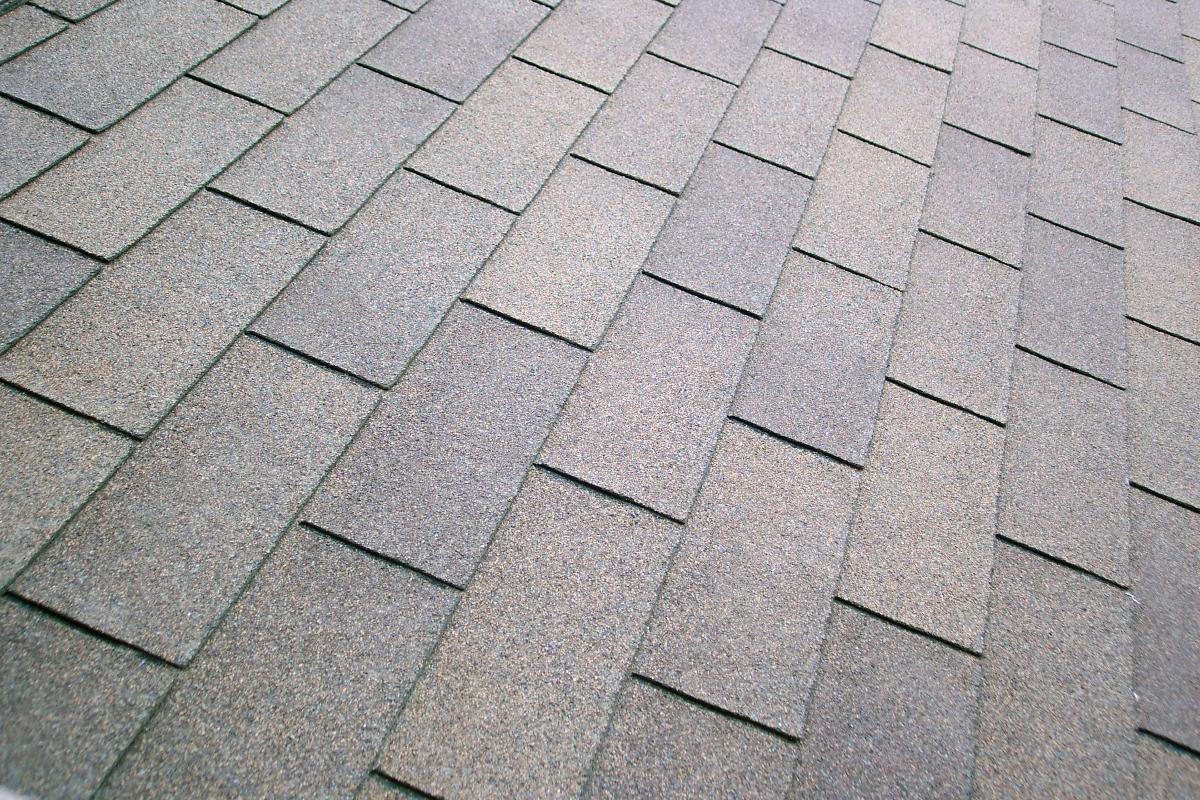
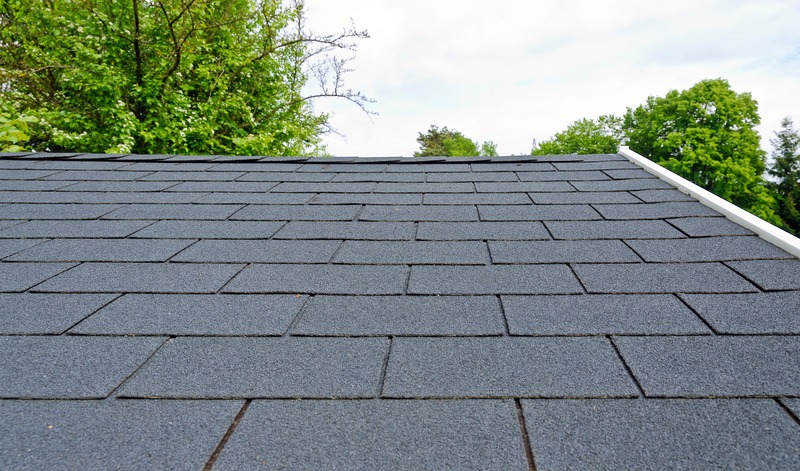
A 3-tab shingle is a flat asphalt roofing strip with 2 cutouts along its exposed edge. Those cutouts create 3 rectangular tabs, giving the installed roof a repeating pattern. Each strip overlaps the course below to help shed rain.
For homeowners asking what is a 3-tab roof shingle, the name describes its shape rather than a separate roofing material. Modern products typically combine a fiberglass mat, asphalt coating, and protective mineral granules. The mat provides reinforcement, while the granules protect the asphalt from sunlight and give the roof its color.
You may also see these products described as 3-tab composition shingles. “Composition” refers to their combination of materials. It does not mean they are a different category from asphalt roofing or automatically offer better performance.
Architectural shingles use a laminated construction that creates a thicker, more dimensional appearance. Traditional strips sit flatter and produce more consistent rectangular lines. Both belong to the asphalt shingle family, but their installation details and warranties can differ.
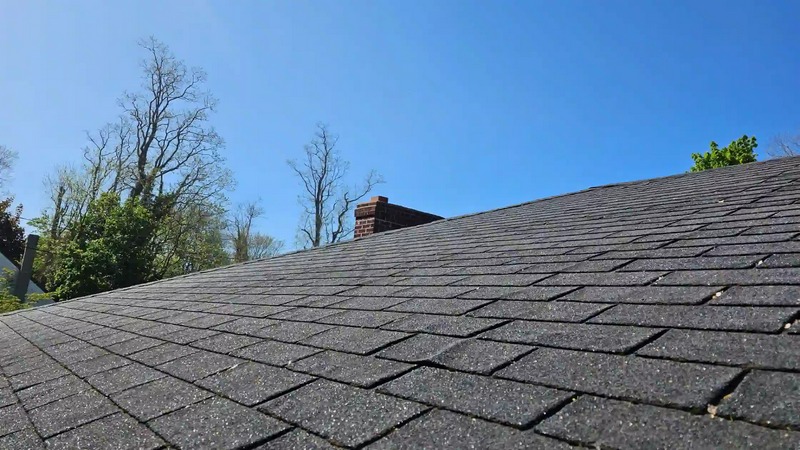
The visible shingles are only part of the roof assembly. Underlayment, flashing, ventilation, and a sound roof deck also affect performance. Replacing the surface without addressing damaged decking or leaking flashing can leave existing problems unresolved.
3 tab shingle size and dimensions
A common traditional shingle measures 36 × 12 in., although metric products can measure approximately 39⅜ × 13¼ in. These measurements describe the complete strip, including the portion concealed by the next row. They do not represent its exposed coverage after installation.
The size of 3-tab shingle matters when matching an existing roof or calculating material quantities. Width, height, and exposure must work together. A replacement strip with similar coloring may still be unsuitable if its dimensions differ.
Exposure is the vertical portion left visible after the next course is installed. Many traditional imperial shingles use approximately 5 in. of exposure, but installers must follow the selected product’s instructions. Increasing that exposure to stretch materials reduces the intended overlap.
For repairs, keep a wrapper or product label if you have one. It can identify the manufacturer, product line, and color more reliably than a photograph. Weathering can make an older roof difficult to identify by appearance alone.
Roof pitch also affects material selection and installation requirements. A shingle suitable for a steep roof may need additional underlayment measures at a lower slope. Have the contractor confirm that the chosen product is approved for your roof’s actual pitch.
How many shingles in a 3-tab bundle?
A bundle is a packaged quantity of shingles; a roofing square equals 100 sq ft of roof area. Many traditional products require approximately 3 bundles per square. Exact coverage varies, so the wrapper should guide the order.
The answer to how many shingles in a 3-tab bundle is often around 26 for common imperial products, but counts are not universal. Different dimensions and packaging can change the number. Compare installed coverage per bundle before comparing prices.
For example, a bundle covering 32.3 sq ft provides slightly less coverage than one labeled 33.3 sq ft. That difference becomes significant across a whole roof. Ordering solely by the familiar “3 bundles per square” rule can leave a shortage.
A useful estimating sequence is:
- Measure the actual roof surface, including each separate slope.
- Add a waste allowance based on valleys, hips, dormers, and the layout.
- Divide the adjusted area by the manufacturer’s stated bundle coverage.
- Round up to whole bundles and calculate starter and ridge materials separately.
For a 2,000 sq ft roof with a 10% waste allowance, the estimating area becomes 2,200 sq ft. At 33.3 sq ft per bundle, that requires about 67 bundles of field shingles. This example excludes separately calculated accessories.
A complicated roof may need more waste allowance than a simple gable roof. Your home’s interior floor area is also not the same as its roof area. Pitch and overhangs increase the surface that needs covering.
3-tab roofing shingles colors
Roof color should work with the exterior elements you plan to keep. Start with brick, stone, siding, and window frames before considering small details such as shutters. Large permanent surfaces have the strongest influence on the finished appearance.
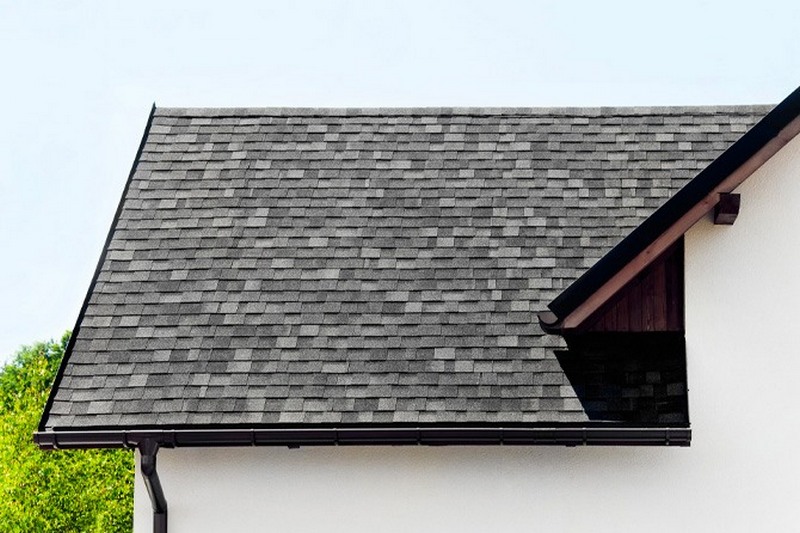
When comparing 3-tab roofing shingles colors, begin with locally available samples. Common color families include gray, charcoal, brown, and weathered blends, although selections vary by brand and region. A color shown online may not be stocked by your supplier.
These combinations can help narrow the choice:
- Gray tones often coordinate with white siding and cool stone.
- Brown blends can complement cream siding and warm brick.
- Charcoal creates a stronger contrast against light exterior walls.
- Mixed neutral shades can connect siding and masonry with different undertones.
View several full shingles outdoors before approving the order. Small chips and screen images may conceal color variation across a larger area. Check the samples in sun and shade alongside your existing exterior finishes.
If you are also replacing windows or siding, choose the finishes together. A roof may remain in place through several exterior repainting projects. A restrained neutral shade can leave more flexibility for those later changes.
Do not assume a lighter color automatically qualifies as a reflective roofing product. Ask for the specific product’s published performance information if heat reduction is a priority. Color alone cannot establish an energy savings claim.
Lifespan of 3-tab shingles
For budgeting, approximately 15 to 20 years is a reasonable general service life expectation for this category. Some roofs remain serviceable longer, while severe weather or installation problems can shorten that period. Condition matters more than reaching a particular birthday.
The factors affecting 3-tab shingles lifespan include workmanship, ventilation, sun exposure, and storm damage. A correctly installed roof still needs periodic attention. Missing tabs or damaged flashing should be assessed before water reaches the decking.
In the Pacific Northwest, shaded roof sections deserve particular attention because they can stay damp. Leaves and branches also collect in valleys and around roof penetrations. Keep gutters flowing and arrange appropriate debris removal without damaging the shingle surface.
Avoid treating a warranty term as a promised replacement date. A limited warranty addresses specified covered problems under stated conditions. It may include exclusions, prorated compensation, and different coverage periods for separate issues.
For example, CertainTeed lists a 25-year limited transferable warranty for XT 25 shingles, alongside separate wind and algae coverage terms. Those terms should be read individually. They do not guarantee 25 years without maintenance or repairs.
Arrange an inspection if you notice widespread curling, exposed mat, repeated missing tabs, or ceiling stains. A small isolated defect may be repairable. Multiple deteriorated areas call for a broader assessment before spending money on another patch.
Advantages and disadvantages of 3-tab shingles
Traditional strip shingles can suit a straightforward replacement where initial cost matters. Their value depends on the price difference between available products and the conditions your roof faces. Compare complete installed proposals before deciding.
Pros
The main attraction of asphalt 3-tab shingles is their relatively low purchase price. On a simple roof, material savings can help keep a necessary replacement affordable. The benefit is most meaningful when the alternative quote is substantially higher.
Their flat, regular pattern also suits homeowners who want a restrained roof appearance. It can preserve the familiar look of a house with existing strip shingles. Not every exterior needs the heavier visual texture of a laminated product.
Individual damaged sections may be repairable when matching stock is available and surrounding shingles remain flexible enough to work with. That can postpone a larger replacement when damage is localized. A roofer should assess whether lifting adjacent strips will cause further breakage.
Cons
Wind performance deserves close attention when evaluating three-tab roofing. Ratings vary by product, and some traditional shingles carry lower wind warranty limits than architectural alternatives. Compare the exact products and their required installation methods.
For example, GAF lists wind warranty coverage up to 60 mph for Royal Sovereign shingles, subject to its terms. That figure is product specific. It should not be applied to every roof in the category.
The uniform pattern can also make crooked courses or inconsistent spacing noticeable. Careful layout remains essential even though the finished design looks simple. Lower material prices do not reduce the need for skilled installation.
Replacement matching can become harder as product lines or regional selections change. An older roof may also have faded substantially. Ask about available repair stock, but recognize that stored shingles may still look different beside a weathered surface.
How much do 3-tab roof shingles cost?
Separate the price of field shingles from the price of a completed replacement. Labor, removal, disposal, accessories, and repairs account for much of the final bill. A low bundle price alone cannot predict your project total.
For preliminary 2026 budgeting, 3-tab roof shingles may cost roughly $80 to $130 per roofing square for the field shingles alone. This excludes underlayment, flashing, fasteners, and other components. Local stock, brand, and delivery charges can change the purchase price.
Published installed estimates span approximately $3.20 to $7.75/sq ft, reflecting substantial differences between projects. Applied to a 2,000 sq ft roof, that produces a broad planning range of $6,400 to $15,500. Treat it as a national reference rather than a Columbia Windows quote.
Request an itemized comparison with an architectural option. Much of the labor and preparation may be similar, so the installed upgrade can be smaller than expected. Compare warranty terms and product performance alongside the difference in price.
The written estimate should name the shingle product and explain the removal, underlayment, flashing, ventilation, and cleanup scope. It should also state how concealed decking damage will be priced. Those details make competing proposals easier to compare fairly.
Columbia Windows offers roof installation and replacement alongside its window and siding services. Request a roof estimate to discuss the existing condition, available materials, and project scope. If other exterior work is planned, mention it during the initial consultation.