Your home exterior battles the elements daily. Dirt, pollen, and spider webs accumulate over the seasons, rapidly dulling your siding’s original color. In the damp Pacific Northwest, aggressive algae, black mold, and mildew quickly take hold on shaded walls. If left untreated, these growths go beyond ruining curb appeal. They physically degrade the material surface, causing permanent discoloration and severe chalking.
Routine maintenance protects property value and extends the lifespan of weatherproofing materials. However, knowing how to clean vinyl siding requires specific techniques to avoid damaging the overlapping panels or forcing water behind the protective barrier. As your local experts at Columbia Windows, we created this guide to share the exact professional methods, optimal chemical solutions, and correct steps to restore your home safely.
Why cleaning vinyl siding regularly matters
Neglecting exterior maintenance leads to costly structural repairs. High-quality panels resist weathering, but dirt and grime still trap moisture against the surface. This continuous dampness breeds mold and mildew. Over time, these biological contaminants destroy the panel’s UV-protective coating, accelerating solar fading and making the plastic brittle during freezing winter temperatures.
Consistent siding cleaning halts this material degradation. Removing surface dirt restores the protective coatings so they function properly. A clean exterior also reflects sunlight efficiently, which reduces thermal expansion stress on the delicate interlocking panel seams.
Washing your walls provides an ideal opportunity to inspect your home’s structural integrity. You can easily spot loose panels, cracked trim, or missing caulk around window frames. Catching these minor issues early prevents severe interior water intrusion and expensive wood rot repairs inside your wall cavities, ultimately saving you money and preserving your curb appeal.
Best ways to clean vinyl siding
Homeowners have several options for restoring dirty exterior panels. The optimal approach depends on the degree of dirt accumulation, heavy organic growth, and your building’s vertical height. You must also evaluate your physical capabilities and access to safety equipment before starting. Heavy biological staining requires completely different tactics than light spring pollen.
Choosing the best way to clean vinyl siding ensures excellent visual results without risking permanent property damage. The three primary industry methods include:
- Manual hand scrubbing
- High pressure water streams
- Specialized chemical treatments
Hand washing
The traditional manual approach remains highly effective for safely removing stubborn stains on the easily accessible lower levels of your residential property. Hand washing vinyl siding gives precise control over the entire cleaning process and guarantees thorough dirt removal without risking water damage to your underlying insulation.
Follow these specific steps for safe manual exterior cleaning:
- Purchase a high quality soft bristle brush securely attached to a long telescoping extension pole.
- Mix your preferred chemical cleaning solution thoroughly in a large, heavy duty plastic bucket.
- Start washing at the extreme bottom of the wall and slowly work your way up to prevent dirty, dripping water from causing permanent chemical streaks on the dry panels below.
- Scrub the exterior panels using smooth, continuous horizontal motions that perfectly follow the natural overlapping siding seams.
- Rinse the freshly scrubbed area thoroughly with a standard low pressure garden hose before the chemical cleaning solution dries on the hot surface.
Learning how to clean siding manually requires significant physical exertion but delivers superior detail work around delicate outdoor light fixtures, sensitive electrical outlets, and intricate decorative window trims.
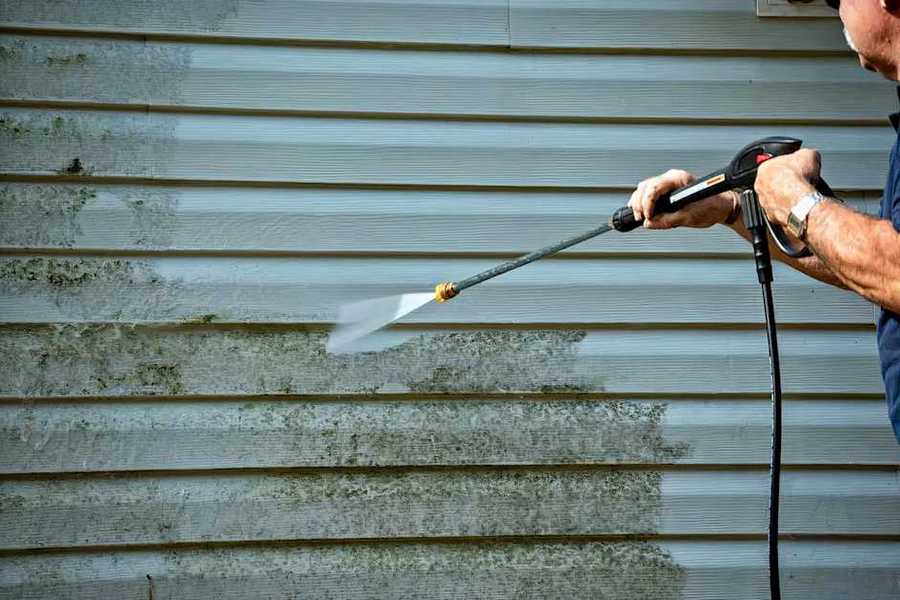
Pressure washing
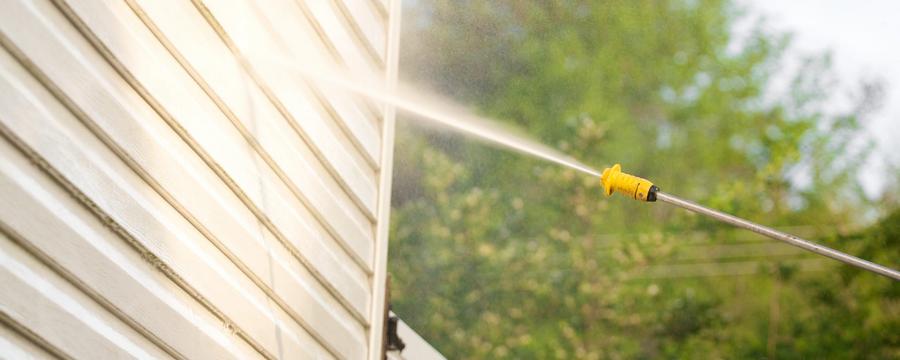
Gas or electric equipment reduces cleaning time by rapidly stripping away years of grime in seconds. However, pressure washing vinyl siding carries significant structural risks if performed incorrectly. You must prevent driving water behind the overlapping seams, as trapped moisture causes hidden wood rot and feeds toxic indoor mold.
Always keep the nozzle moving continuously to avoid permanently etching the soft plastic. Never aim the high velocity spray upward. Keep the water stream completely level or pointing slightly downward. Maintain a distance of at least two feet from the wall and use a wide forty degree fan tip. If you lack power wash experience, consider hiring licensed local professionals.
Soft washing method
Modern professional exterior cleaning favors the chemical soft wash technique. This damage-free approach relies on specialized chemical solutions rather than mechanical water force to remove tough contaminants. The active chemicals do the hard work of killing biological growth and dissolving sticky dirt layers.
The standard process involves these essential steps:
- Application: Apply the cleaning mixture using a regular garden hose or a low-pressure battery sprayer.
- Dwell Time: Let the solution dwell undisturbed on the dirty surface for ten to fifteen minutes. This allows the chemicals to break down algae roots and loosen stubborn dirt bonds.
- Rinse: Perform a gentle [[vinyl siding wash]] with pure, clean water to rinse everything away safely.
This low-pressure technique offers significant advantages for your home exterior:
- Protects the Structure: Completely eliminates the risk of forcing water directly behind the panels.
- Prevents Material Damage: Avoids accidentally cracking cold, brittle plastic pieces.
- Delivers Lasting Results: Provides a longer-lasting clean by actively killing invisible mold spores rather than just blasting away the visible top surface growth.
What to use to clean vinyl siding
Selecting the right cleaning solution determines your project’s success. Many homeowners wonder exactly what to use to clean vinyl siding without harming their landscaping. While expensive commercial washes exist, basic household ingredients often perform just as well.
Use these effective mixtures and observe these strict restrictions:
- Standard cleaning: Dissolve 1 cup of powdered oxygen bleach into 1 gallon of warm water. This cleans thoroughly without damaging delicate foundation plants or bleaching adjacent wooden decks.
- Heavy mold removal: Mix 1 quart of liquid laundry bleach with 1 gallon of water. Add a small squirt of liquid dish soap to help the heavy mixture cling to vertical walls.
- Chemicals to avoid: Never use abrasive scouring powders, pure grease removers, acetone, or paint thinner. These harsh solvents will physically melt the plastic surface and permanently destroy the factory color finish.
How to wash vinyl siding properly
Site preparation is vital before applying water or chemicals to your home. Close and lock all exterior windows to ensure a watertight seal. Turn off power to exterior outlets at the breaker box and cover them with waterproof tape. Move patio furniture, grills, and potted plants away from the work area.
Thoroughly soak all foundation plants and nearby grass with clean water. Wet leaves resist absorbing harsh chemicals, protecting your landscaping from accidental damage.
When planning how to wash vinyl siding, work in manageable 10 ft vertical sections. Apply your cleaning solution from the bottom up to prevent permanent chemical streaking. Let the mixture sit for several minutes without drying in direct sunlight. Finally, rinse the wall thoroughly from the top down, overlapping sections slightly to avoid missing spots.
How often should you clean house siding
Local weather dictates your exterior maintenance schedule. Homes in damp forests need much more attention than properties in sunny suburbs. Sticky tree sap, heavy pollen, and continuous shade quickly accelerate dirt buildup and aggressive algae growth.
Plan for comprehensive house siding cleaning once a year. Early spring is the ideal time to wash away harsh winter grime and boost your curb appeal before summer.
Homes near busy dirt roads or major highways may require washing twice a year to remove heavy exhaust soot. Perform quick monthly visual inspections to monitor your exterior. If you spot green algae forming on the damp north side of your house, address it immediately rather than waiting for your scheduled spring maintenance.