Accuracy dictates the success of any building project. Improper measurements lead to drafts, sticking hinges, and compromised security. This guide details how to accurately assess your existing slab, frame, and rough opening. Gathering precise dimensions ensures you order the exact materials needed, preventing costly returns or the need to patch gaps around undersized units. Taking time to record exact dimensions prevents the frustration of returning oversized materials or attempting to patch gaps around an undersized unit.
What are standard door measurements
Standard dimensions established by building codes make finding quick replacements easy. Exterior entryways require larger sizes for emergency egress and moving furniture. A typical front door measures 80″ tall, 36″ wide, and 1 ¾″ thick, providing enough space for robust locking hardware and proper weather insulation.
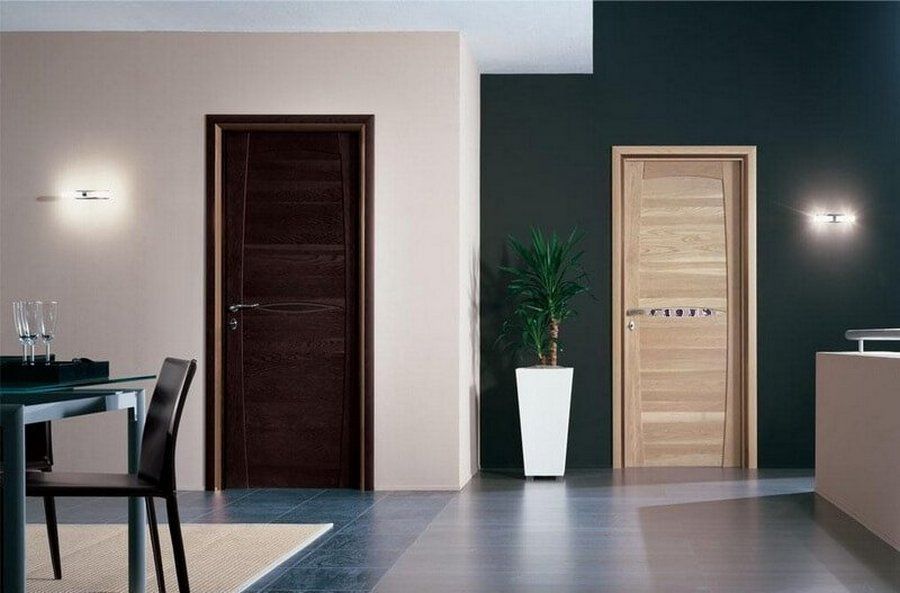
Interior passages utilize different proportions. Bedroom and hallway doors remain 80″ tall but drop to 30″ or 32″ wide and 1⅜″ thick. Bathrooms and closets often scale down further to 24″ or 28″ wide. While luxury homes increasingly feature custom 96″ tall slabs, knowing standard measurements helps you verify your numbers during your initial assessment.
How are doors measured
How are doors measured depends entirely on whether you keep the existing jamb or strip down to the bare structural studs. You must record three specific dimensions in a strict chronological order: width, height, and thickness.
Measure width straight across from left to right. Measure height from top to bottom. Measure thickness along the side edge profile. Write these numbers down immediately. Suppliers require this exact sequence, typically formatted as 36 × 80 × 1.75. The building materials industry strictly uses inches (write 80″ instead of 6′ 8″) to prevent costly conversion errors.
Essential tools and preparation
Gathering precise dimensions requires the right equipment and a clear workspace. Avoid flexible fabric tapes that stretch and compromise accuracy.
Required Tools:
- Rigid metal tape measure (25-foot minimum)
- Sturdy step ladder
- Notebook and pen
Before measuring, clear the area of rugs, doorstops, and decorative items. Turn on overhead lighting to easily read small fractional marks on your tape. For large entryways or sliding patio doors, enlist a helper to hold the tape flat and prevent slipping.
How to measure door size
Replacing only the moving slab requires extreme structural precision. How to measure door size involves taking multiple vertical and horizontal readings across the exact same surface area. Wood and synthetic building materials expand or contract drastically over time due to humidity changes. Old houses settle into their foundations over the decades. A wood slab that started perfectly square five years ago might now sit slightly warped or bowed in the frame.
First, assess the total width.
- Place your tape measure across the top horizontal section and record the number.
- Move to the middle horizontal section near the handle and record that number.
- Move to the bottom horizontal section near the floor and record the final width number.
You will use the smallest of these three numbers when ordering your replacement slab.
Next, assess the total height.
- Measure vertically down the left side from top to bottom.
- Move to the center and measure vertically again.
- Move to the right side and take a third vertical measurement.
Again, use the smallest number provided by your tape.
Finally, open the unit and measure the thickness along the flat side edge. Checking the dimensions in multiple separate spots guarantees the new rigid unit will safely clear the tightest points of your existing settled frame.
How to measure a door for replacement
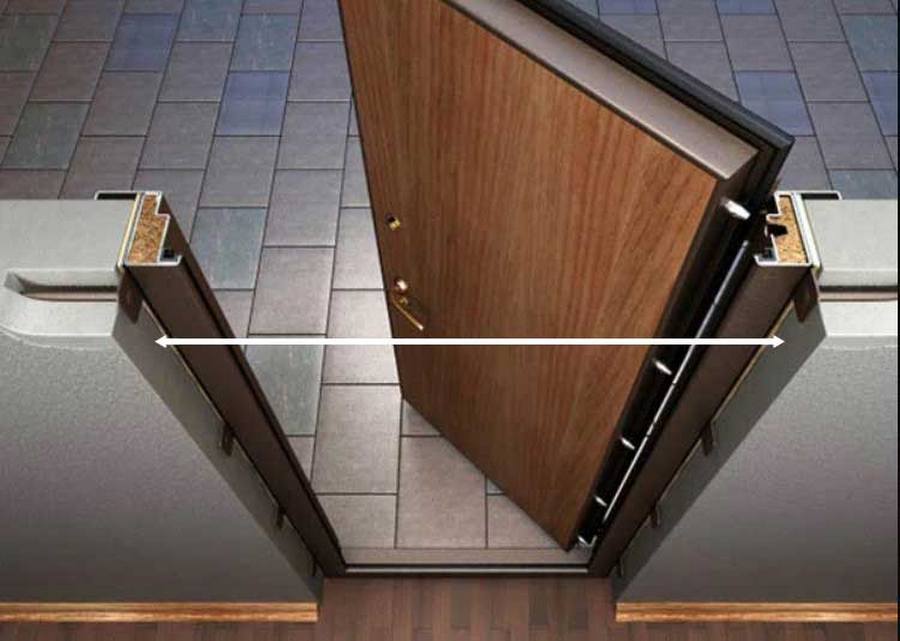
Many property owners choose to replace the entire pre-hung unit instead of just the moving slab. This intensive process requires assessing the complete frame built directly into your drywall. How to measure a door for replacement starts with examining the wooden jamb. The jamb is the specific wood casing directly attached to the moving slab via heavy metal hinges.
You measure the jamb width from the inside face of the left vertical piece to the inside face of the right vertical piece. You measure the jamb height from the bare floor beneath the sill straight up to the underside of the top horizontal piece. How to measure a door to replace an entire pre hung system also requires knowing your total wall thickness. You measure the width of the jamb from the interior painted wall surface to the exterior siding surface. This measurement tells the window and door manufacturer exactly how wide the new frame must be to sit perfectly flush with your interior drywall.
How to measure a door frame and rough opening
The rough opening represents the physical wooden hole cut into the structural framing of your house. Professional installers must know this specific dimension to ensure the new pre hung unit actually fits inside the wall cavity. How to measure a door frame at the structural level usually requires removing the decorative interior trim surrounding the entryway.
Pry off the wooden casing carefully to expose the bare structural wall studs.
Follow these specific steps for evaluating the rough opening:
- Hook your tape against the inside face of the left vertical wall stud.
- Pull the tape straight across the open gap to the inside face of the right vertical stud.
- Record this specific width in three places: top, middle, and bottom.
- Hook the tape on the underside of the horizontal top stud called the structural header.
- Pull the tape straight down to the bare wooden subfloor.
- Record this total height on both the left side and the right side.
The smallest width and the smallest height represent your true structural rough opening. A new pre-hung unit needs a rough opening approximately 2″ wider and 2 ½″ taller than the actual physical slab size. This extra breathing room allows the installation crew to use wood shims to plumb, level, and square the new exterior frame perfectly.
How to measure for a new door
Creating a new entryway requires architectural planning. How to measure for a new door starts with marking the desired placement on your wall, accounting for hidden electrical wiring, plumbing pipes, and load-bearing studs.
Contractors need your desired slab dimensions before cutting. [[How do you measure for a new door]] when no hole exists? Work backward. For a 36″ by 80″ slab, add 2″ to the width and 2½″ to the height to calculate the required rough opening. The framer will cut a 38″ by 82½″ hole. Finally, measure your interior floor space to ensure the unit can swing open fully without hitting walls or furniture.
Standard door measurements cheat sheet
Keep these common dimensions handy when evaluating your residential property. The following door measurements represent the strict industry standards found in most North American homes.
Common exterior entry dimensions, width by height:
- Front entry single slab: 36″ × 80″
- Front entry double slab: 72″ × 80″
- Rear utility entry: 32″ × 80″
- Standard patio sliding unit: 72″ × 80″
Common interior room dimensions, width by height:
- Primary bedroom passage: 32″ × 80″
- Secondary bedroom passage: 30″ × 80″
- Standard bathroom passage: 28″ × 80″
- Hallway utility closet: 24″ × 80″
- Walk in closet passage: 30″ × 80″